MMU: Bridging Health Gaps in Tribal Rural Areas
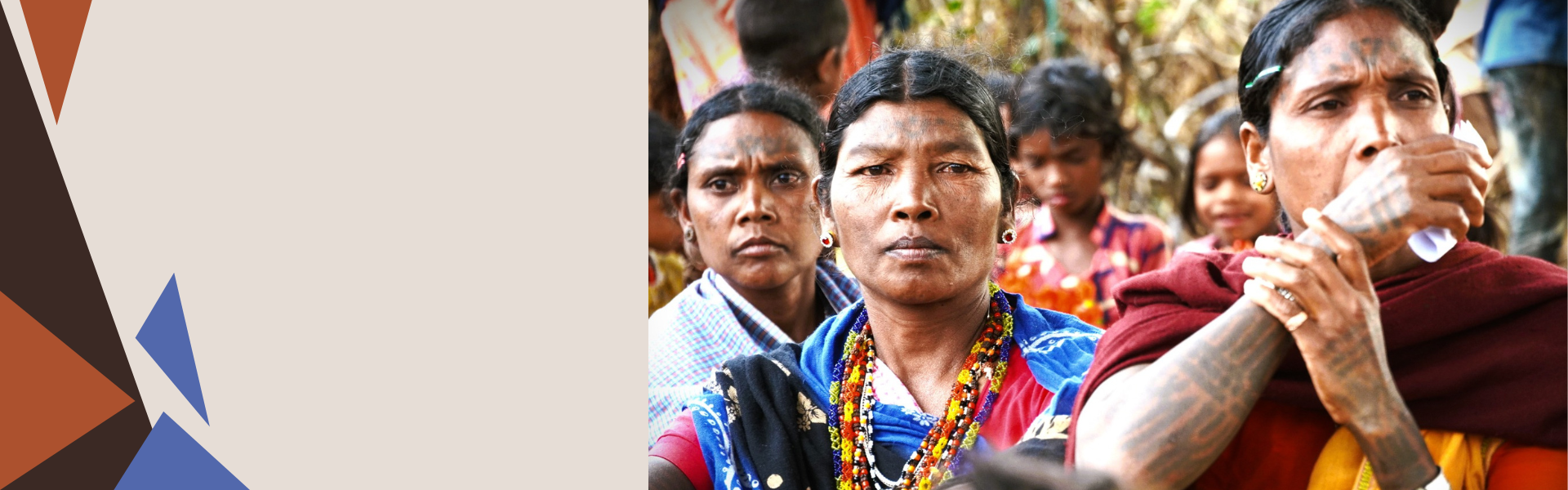
Good Health and Well-being - The MMU provides healthcare services to remote tribal communities, improving health outcomes and access to medical facilities.
Reduced Inequalities - By reaching underserved areas, the MMU helps reduce health disparities and ensures healthcare access for marginalized communities.
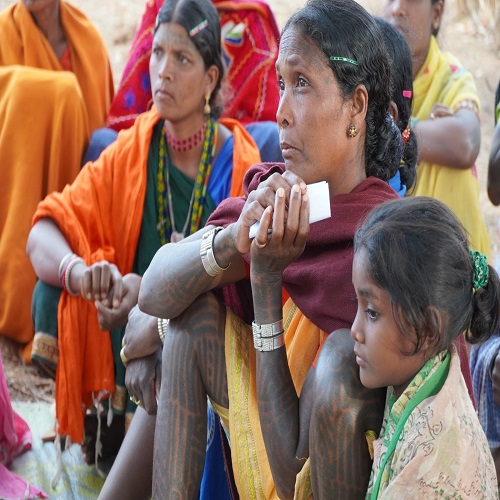
Kabirdham District in Chhattisgarh is home to numerous tribal communities residing in remote and difficult-to-reach areas. The geographical isolation of these tribal villages poses significant challenges in accessing healthcare services. Infrastructure and transportation limitations further exacerbate the issue, resulting in inadequate medical facilities in these underserved regions
The tribal populations in Kabirdham District often suffer from a high prevalence of preventable diseases and malnutrition. Limited access to healthcare facilities and health education contributes to the persistence of these health issues. Lack of awareness about preventive healthcare practices and hygiene further compounds the health challenges faced by these communities
Infant and maternal mortality rates in these tribal areas are disproportionately high compared to urban regions. The absence of proper prenatal care and skilled medical assistance during childbirth contribute to these alarming statistics. Additionally, the lack of immunization coverage in these remote communities increases the risk of infectious diseases and outbreaks. The absence of regular health screenings and medical camps in these areas further hinders early detection and treatment of illnesses. As a result, many health conditions go undiagnosed and untreated until they reach advanced stages, leading to higher morbidity rates
The situation calls for urgent intervention to bridge the healthcare disparities and ensure equitable access to medical facilities for tribal communities in Kabirdham District. The deployment of a Mobile Medical Unit (MMU) staffed with qualified healthcare professionals is a vital step toward addressing these challenges. The MMU's mobility allows it to reach the farthest and most marginalized tribal villages, providing primary healthcare services at their doorstep.
Through regular medical camps, the MMU conducts health screenings, identifies health issues, and offers early intervention. The availability of immunizations and health education programs helps raise awareness about preventive healthcare practices, leading to improved health outcomes. By collaborating with local communities and government health authorities, the MMU establishes a network for effective outreach and coordination of healthcare services.
Overall, the Mobile Medical Unit's presence in Kabirdham District has significantly improved healthcare accessibility, particularly for vulnerable tribal communities. By addressing preventable illnesses and enhancing health awareness, the MMU's efforts have contributed to the reduction of morbidity rates. Furthermore, with improved maternal and child healthcare, the initiative has positively impacted infant and maternal mortality rates in targeted communities.
The success of the Mobile Medical Unit in addressing healthcare disparities in Kabirdham District showcases the potential of such initiatives to transform the lives of underserved populations. However, ongoing efforts and continued support are essential to sustain these positive changes and further improve the overall health and well-being of tribal communities in the region.
Kabirdham District in Chhattisgarh is home to numerous tribal communities residing in remote and difficult-to-reach areas. The geographical isolation of these tribal villages poses significant challenges in accessing healthcare services. Infrastructure and transportation limitations further exacerbate the issue, resulting in inadequate medical facilities in these underserved regions.
The tribal populations in Kabirdham District often suffer from a high prevalence of preventable diseases and malnutrition. Limited access to healthcare facilities and health education contributes to the persistence of these health issues. Lack of awareness about preventive healthcare practices and hygiene further compounds the health challenges faced by these communities.
Infant and maternal mortality rates in these tribal areas are disproportionately high compared to urban regions. The absence of proper prenatal care and skilled medical assistance during childbirth contribute to these alarming statistics. Additionally, the lack of immunization coverage in these remote communities increases the risk of infectious diseases and outbreaks.The absence of regular health screenings and medical camps in these areas further hinders early detection and treatment of illnesses. As a result, many health conditions go undiagnosed and untreated until they reach advanced stages, leading to higher morbidity rates.
The situation calls for urgent intervention to bridge the healthcare disparities and ensure equitable access to medical facilities for tribal communities in Kabirdham District. The deployment of a Mobile Medical Unit (MMU) staffed with qualified healthcare professionals is a vital step toward addressing these challenges. The MMU's mobility allows it to reach the farthest and most marginalized tribal villages, providing primary healthcare services at their doorstep.
Through regular medical camps, the MMU conducts health screenings, identifies health issues, and offers early intervention. The availability of immunizations and health education programs helps raise awareness about preventive healthcare practices, leading to improved health outcomes. By collaborating with local communities and government health authorities, the MMU establishes a network for effective outreach and coordination of healthcare services.
Overall, the Mobile Medical Unit's presence in Kabirdham District has significantly improved healthcare accessibility, particularly for vulnerable tribal communities. By addressing preventable illnesses and enhancing health awareness, the MMU's efforts have contributed to the reduction of morbidity rates. Furthermore, with improved maternal and child healthcare, the initiative has positively impacted infant and maternal mortality rates in targeted communities.
The success of the Mobile Medical Unit in addressing healthcare disparities in Kabirdham District showcases the potential of such initiatives to transform the lives of underserved populations. However, ongoing efforts and continued support are essential to sustain these positive changes and further improve the overall health and well-being of tribal communities in the region.
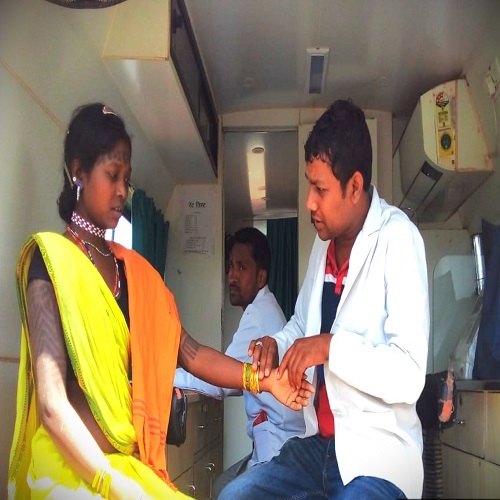
MMU conducts regular medical camps in tribal villages, providing primary healthcare services to community members. These camps include general health check-ups, consultations, and treatment for common illnesses.
The MMU conducts health screenings to identify health issues and provide early diagnosis and intervention. This includes screening for conditions such as hypertension, diabetes, and malnutrition.
The MMU facilitates immunization drives to ensure that children and adults in tribal communities receive essential vaccines, promoting disease prevention and public health.
SYM's MMU organizes health education sessions to raise awareness about preventive healthcare practices, hygiene, nutrition, and family planning.
The MMU focuses on maternal and child health, providing prenatal care, antenatal check-ups, and postnatal support to promote safe pregnancies and reduce maternal and infant mortality.
The MMU supplies essential medications and medical supplies to the tribal communities, addressing immediate health needs and ensuring continuity of treatment.
In cases requiring specialized medical care, the MMU facilitates referrals to nearby healthcare facilities and hospitals, ensuring that patients receive appropriate treatment.
MMU engages with local community members, building trust and understanding their healthcare needs and challenges, ensuring that healthcare interventions are culturally sensitive and relevant.
Shikhar Yuva Manch's Mobile Medical Unit (MMU) plays a vital role in providing accessible healthcare services to tribal communities in Kabirdham District. Through regular medical camps and health screenings, the MMU identifies health issues and offers timely treatment and preventive measures. Health education programs empower community members to take proactive steps in maintaining their well-being.
Community engagement lies at the heart of the MMU's approach. By collaborating with local residents and understanding their unique healthcare challenges, the MMU tailors its interventions to suit the needs of the tribal communities effectively. Moreover, in cases requiring specialized care beyond the MMU's capabilities, prompt referral services ensure patients receive appropriate treatment at nearby healthcare facilities.Overall, Shikhar Yuva Manch's Mobile Medical Unit serves as a lifeline for tribal communities in Kabirdham District, addressing healthcare disparities and promoting good health and well-being among vulnerable populations.